


- (+34) 976 23 43 01
- 654 78 10 21
- apache@apacheinnovacion.es
We will have expert academics, intercultural mediators and testimonials of people who, after their migration process and overcoming barriers, have achieved professional success. You will learn to understand the migration context and its emotional impact on students. You will learn to identify and correct unconscious biases in assessment and guidance, practical tools for intercultural mediation, how to become an ‘anchor’ teacher who prevents school dropouts, and how to turn the classroom into a space of positive role models.
This course promises to be an enriching platform for the exchange of knowledge and experiences and will undoubtedly contribute to strengthening teachers’ skills and creating successful educational environments. Welcome!
But we will also complement your Erasmus experience with excursions and activities that will allow us to enjoy the excellences of the island where we are.
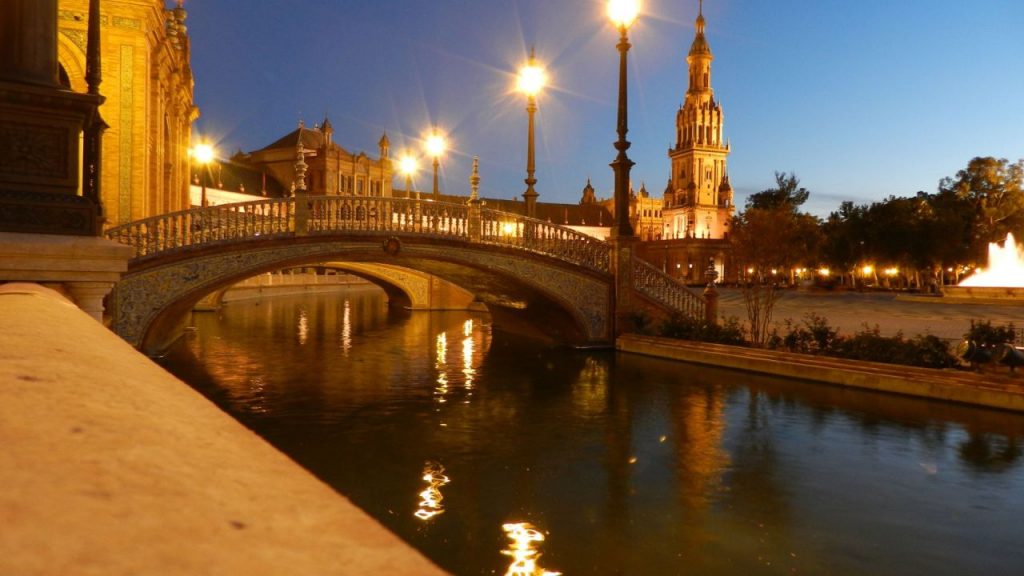
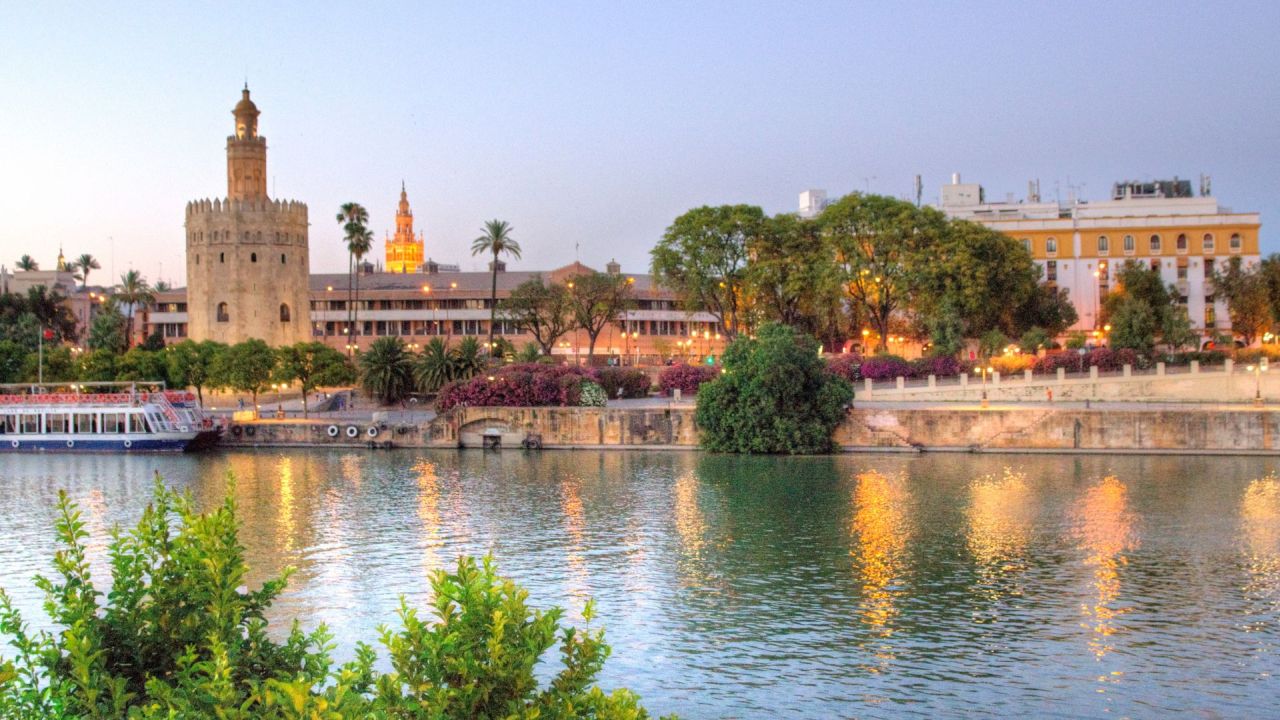
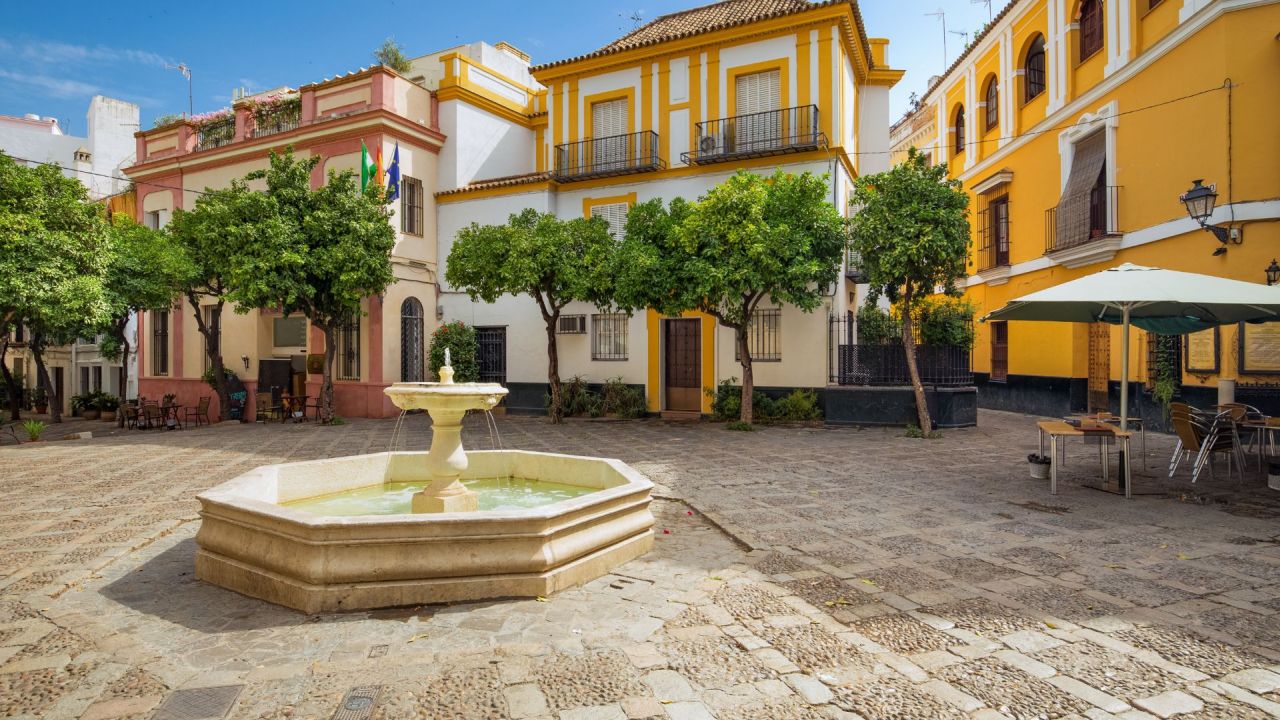
Seville is a vibrant city, full of history, art and Andalusian passion. Cradle of flamenco and famous for its monumental architecture, it enchants with its light, its people and its gastronomy. Strolling through its streets is like traveling between cultures and eras. An essential destination for those seeking authenticity and beauty in every corner.
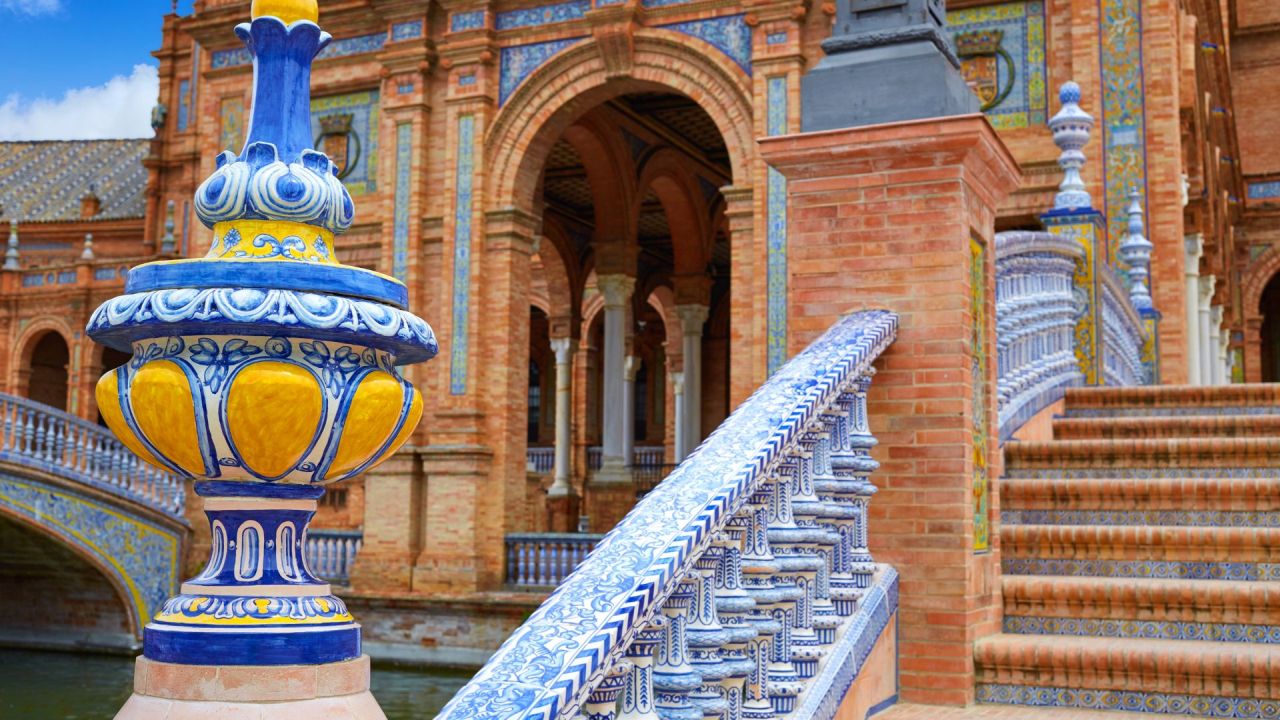
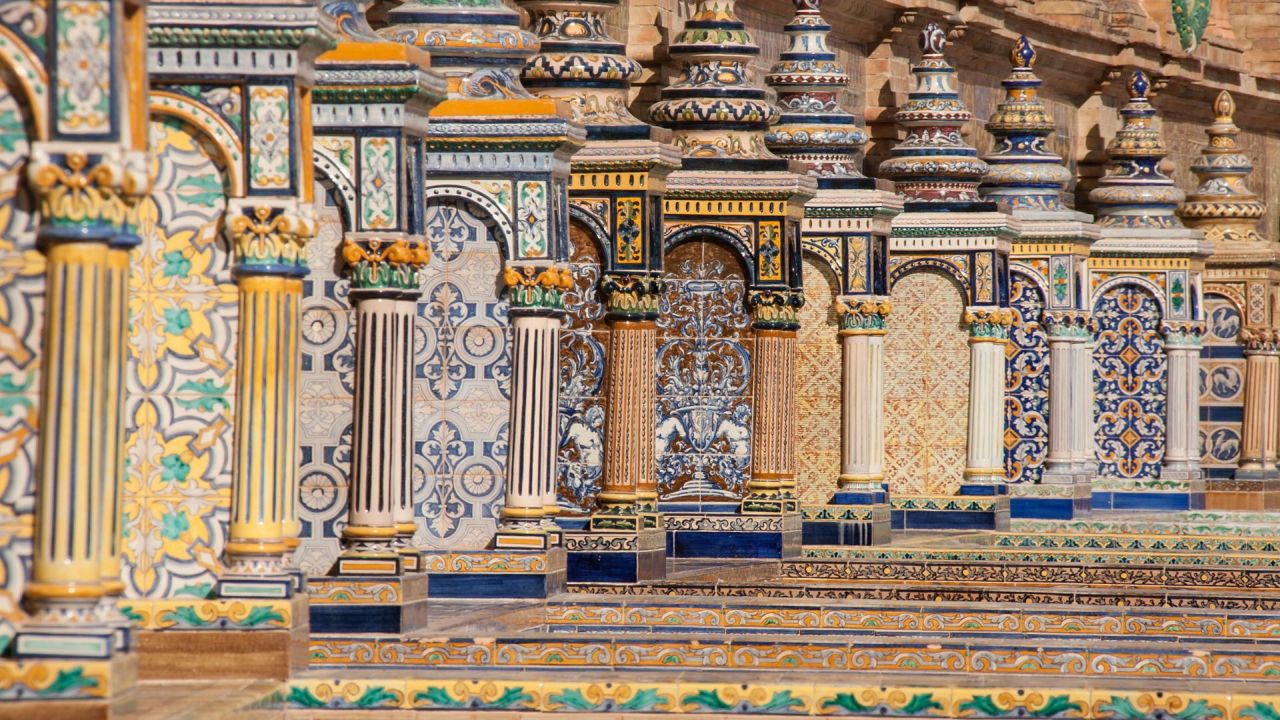
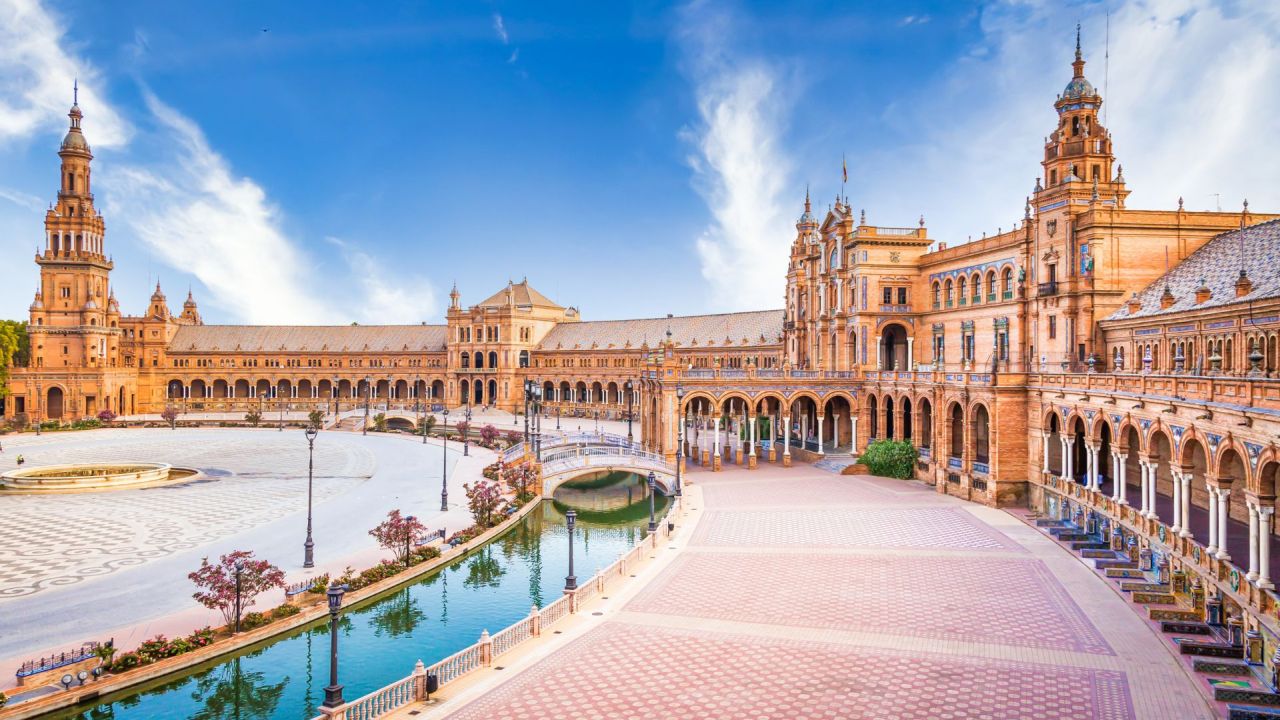
Plaza de España
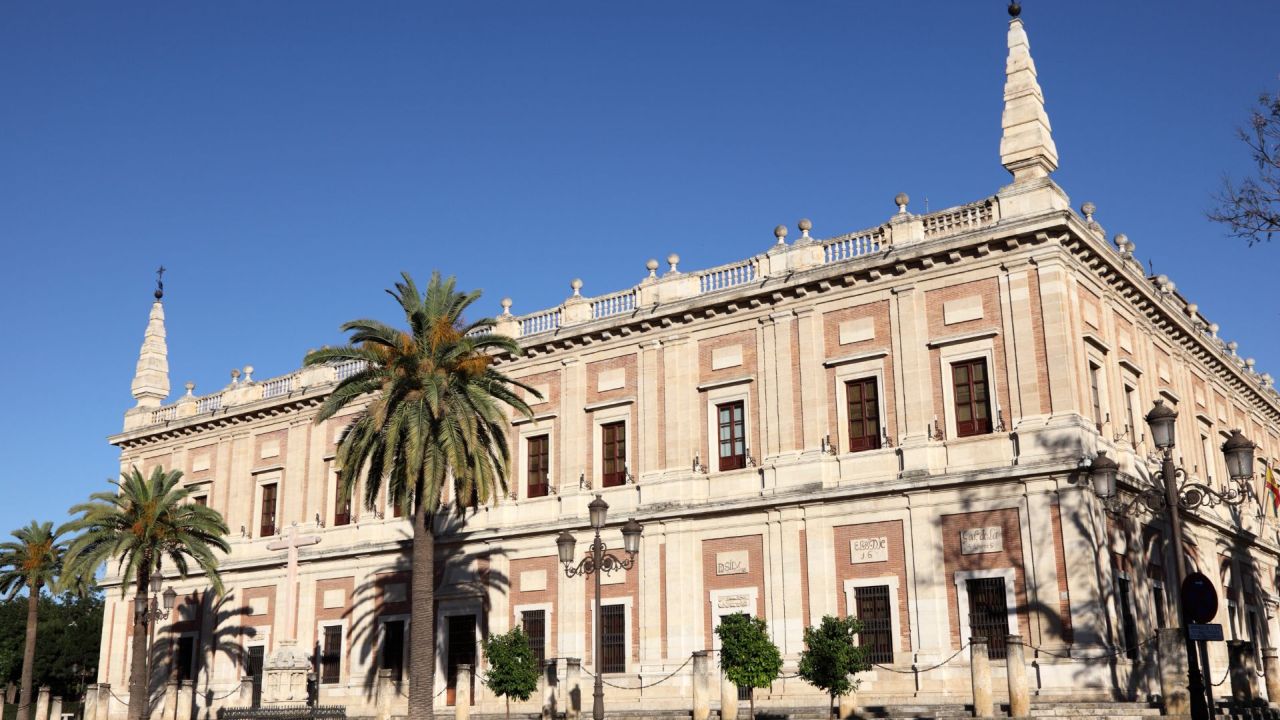
Archivo de Indias


Acquire tools for inclusive teaching. The course offers concrete strategies for adapting teaching to students from diverse cultural backgrounds, which is essential in increasingly multicultural European classrooms.
Promote social cohesion from school. You will learn how to play an active role in the integration of migrant or minority students, contributing to respectful and enriching coexistence in the school environment.
Enhance your professional profile. Intercultural competence is highly valued in today’s European education sector. This course allows you to strengthen your CV and open up new job opportunities, both nationally and internationally.
Keep up to date with European policies and frameworks. You will learn about EU educational guidelines on cultural diversity, which is key for those who work (or wish to work) in European educational environments.
Reflect on your own teaching practice. The course promotes critical reflection on how prejudices or stereotypes can influence teaching, and how to avoid them in order to provide a more fair and equitable education.
Exchange experiences with teachers from across Europe. It enables contact with colleagues from other European countries, enriching your professional network and allowing you to share good practices on integration and cultural diversity.
Contribute to the development of a more inclusive European citizenship. By training yourself to educate in respect for diversity, you are participating in the construction of a more tolerant, democratic and cohesive Europe from the classroom.
MONDAY – 4
08:30 – 9:00 h Registration of participants at the María Auxiliadora Salesianas School and collection of accreditations.
9:00 – 9:30 h Opening lecture of the course.
9:30 – 10:00 h Coffee break.
10:05 – 12:00 h Lecture: Emotional Intelligence. The Key to transformative teaching.
Lecture: The emotional balance of the teacher: controlling, understanding and connecting.
12:15 – 13:15 h New professional training in Spain: The collaborative learning model between educational centers and companies.
13:15 – 14:30 h Lunch.
15:00 – 16:30 h Sightseeing tour of Seville.
TUESDAY – 5
08:30 – 10:00 h Lecture: The role of the teacher in the integration of inmigrant students.
10:00 – 10:30 h Coffee break.
10:30 – 11:45 h Lecture: How to deal with classroom conflicts with cultural sensitivity: The case of muslim students.
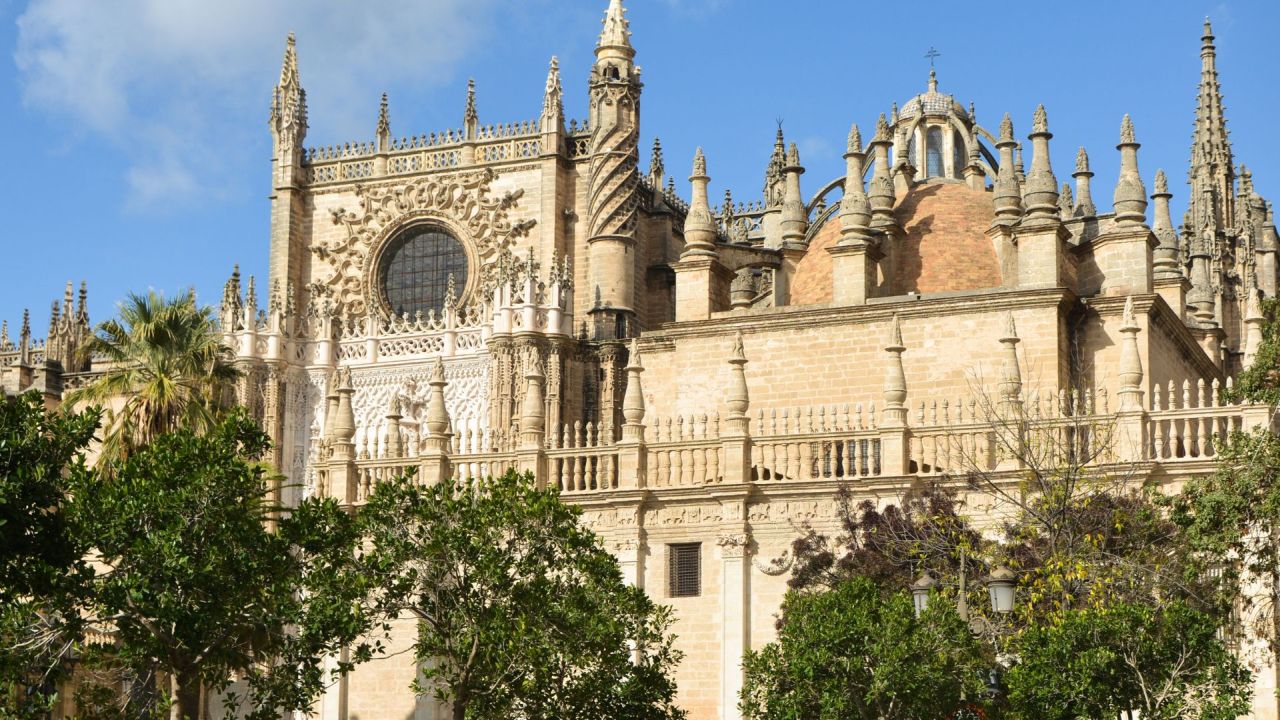
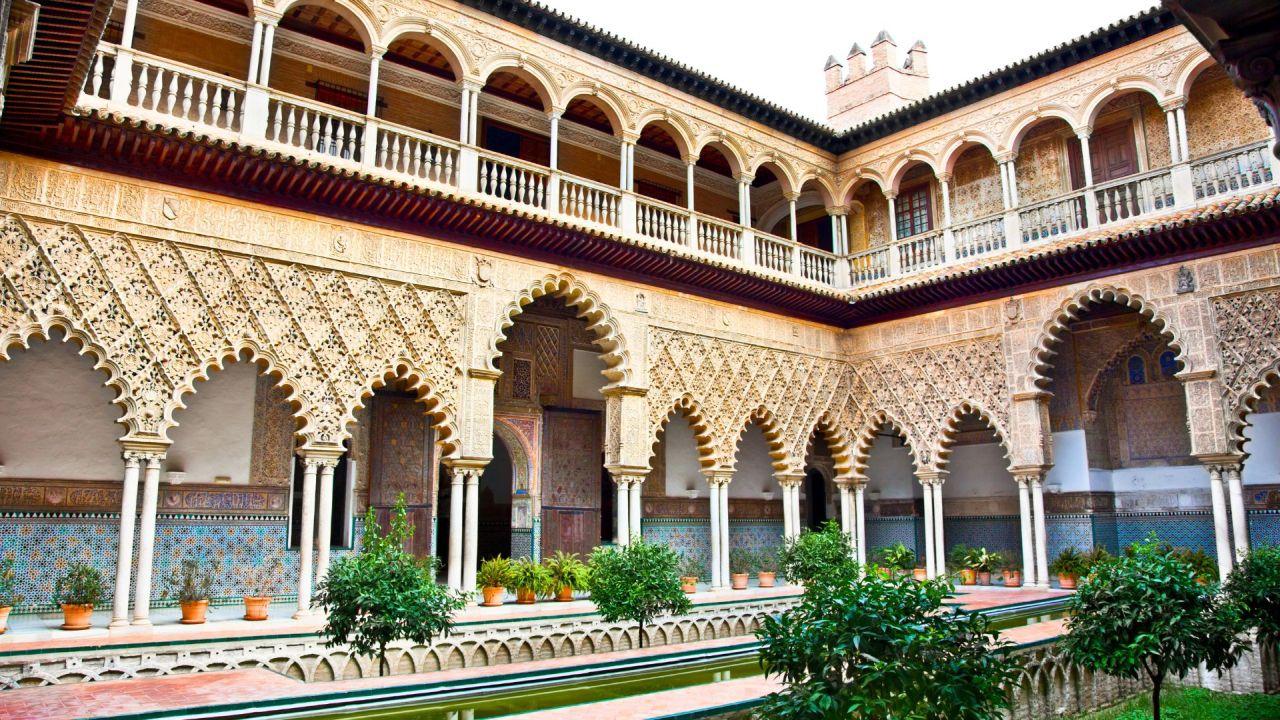
11:45 – 14:00 h Transfer to the Alcázar and the Cathedral and sightseeing tour.
14:00 h – 15:30 h Lunch at a typical Andalusian restaurant.
WEDNESDAY – 6
08:30 – 10:00 h Lecture: Challenges and proposals for full inclusion from a Muslim perspective.
10:00 – 10:30 h Coffee break.
10:30 – 12:00 h Lecture: Challenges and proposals for full inclusion from a European perspective.
THURSDAY – 7
08:30 – 10:00 h Practical workshop: Conflict resolution.
10:00 – 10:30 h Coffee break.
10:30 – 12:00 h Practical workshop: Conflict resolution.
12:15 – 13:00 h SUCCESS STORIES. Immigrants who have achieved full inclusion in the Spanish education system and in their professional careers.
13:00 – 14:00 h Lunch.
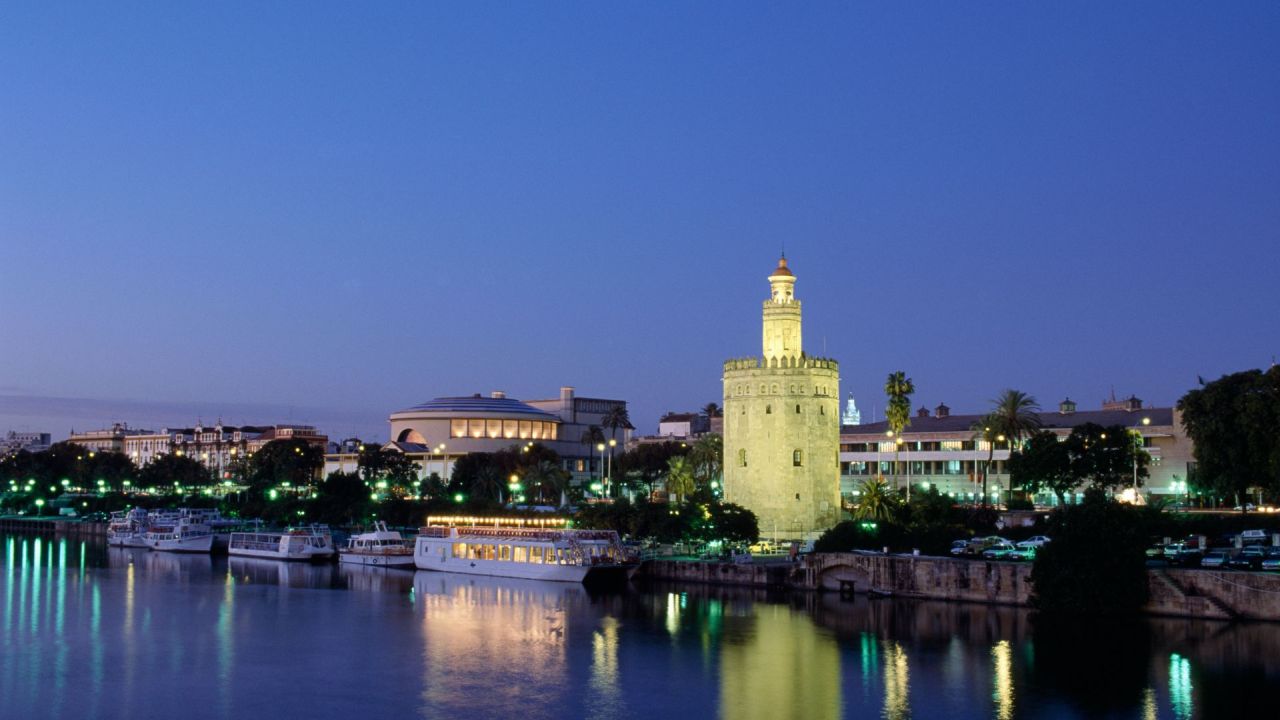
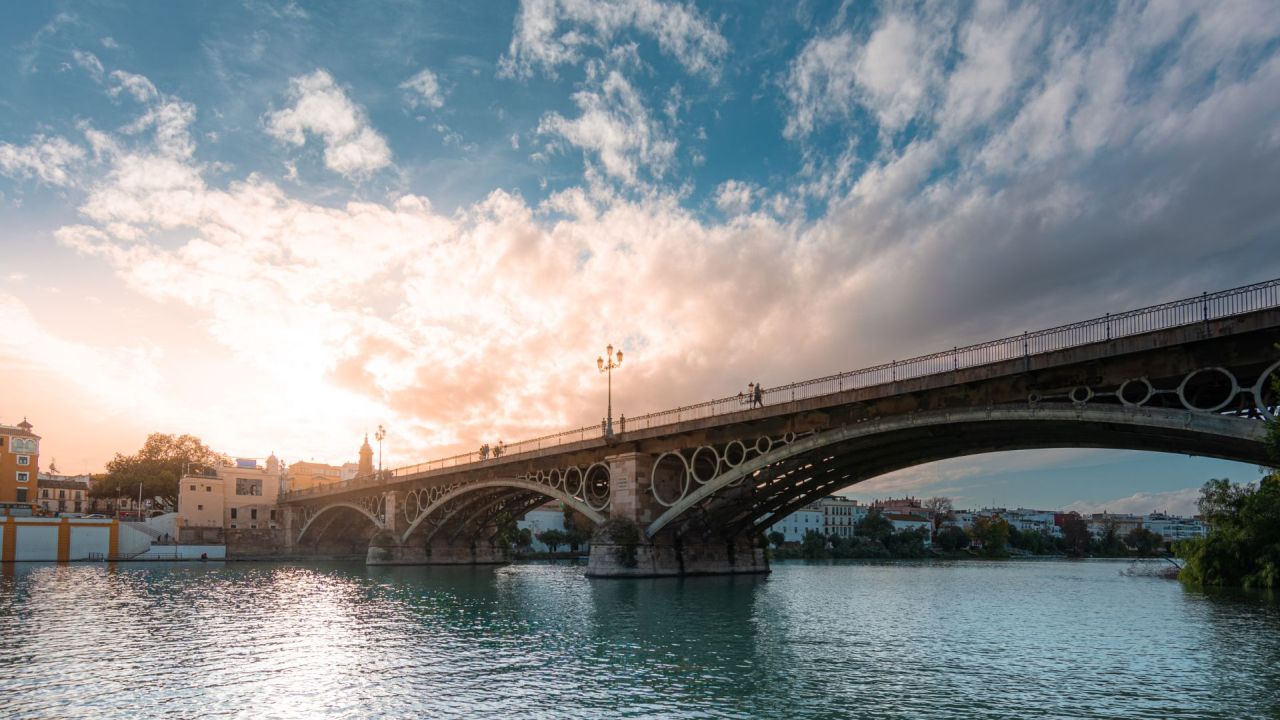
14:30 – 16:00 h Cruise on the Guadalquivir River.
20:30 – 23:00 h Closing dinner of the course.
FRIDAY – 8
10:00 – 11:15 h SUCCESS STORIES. Immigrants who have achieved full inclusion in the Spanish education system and in their professional careers.
11:25 – 12:30 h SUCCESS STORIES. Immigrants who have achieved full inclusion in the Spanish education system and in their professional careers.
12:30 – 13:00 h Closing of the course.

• PhD in soil microbiology from the University of Extremadura (Spain)
• Degree in environmental sciences from the University of Extremadura (Spain)
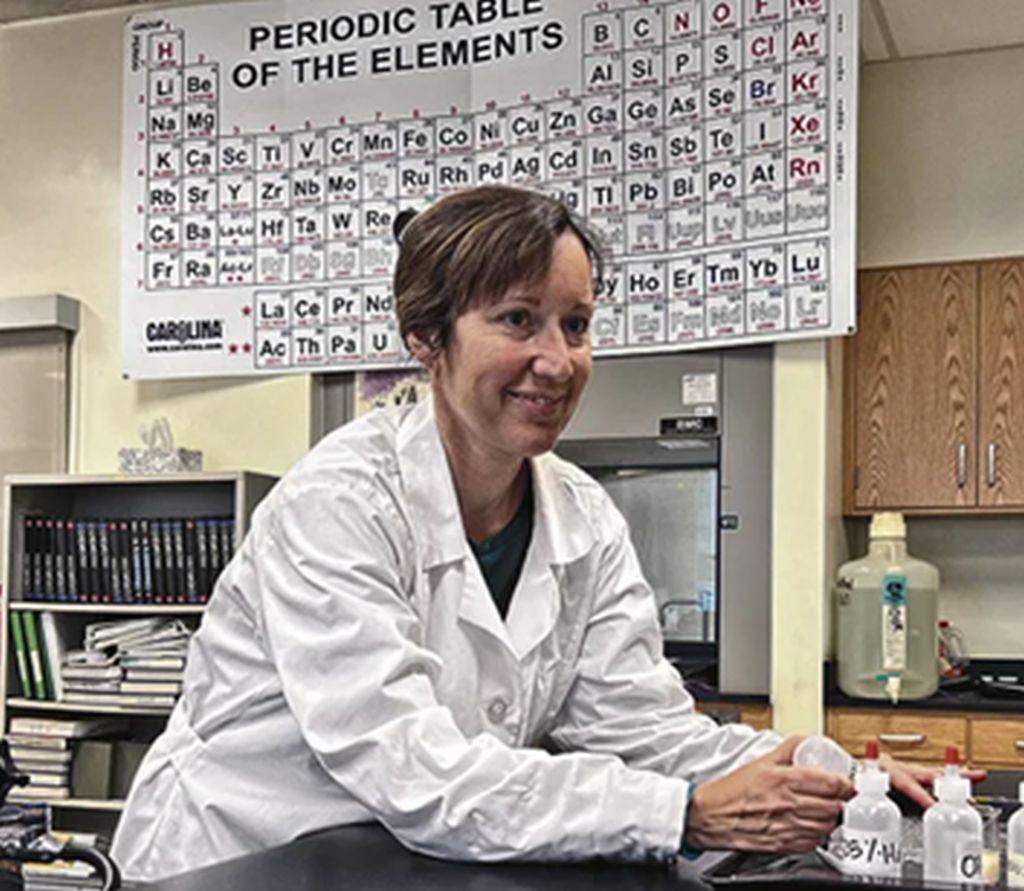
Dr. Ana Muñoz González is a prominent Spanish scientist and educator, internationally recognized for her work in bilingual science education. She was the first Spaniard to receive the prestigious National Secondary Dual Language Immersion Teacher of the Year award (2021) from the Association of Two-Way Dual Language Education (ATDLE) in the USA.
She is president/coordinator of educational programs for ECUSA (Spanish Scientists in the USA) in the Washington, D.C., area, where she works to close the science achievement gap within the Latino community.
She teaches chemistry and biology in a Dual Language Immersion (DLI) program at Wakefield High School, a public high school in Arlington, Virginia, where almost half of her students are of Hispanic origin.

• PhD in Psychology from the University of Zaragoza (2008)
• Military career (Lieutenant Colonel, Infantry)
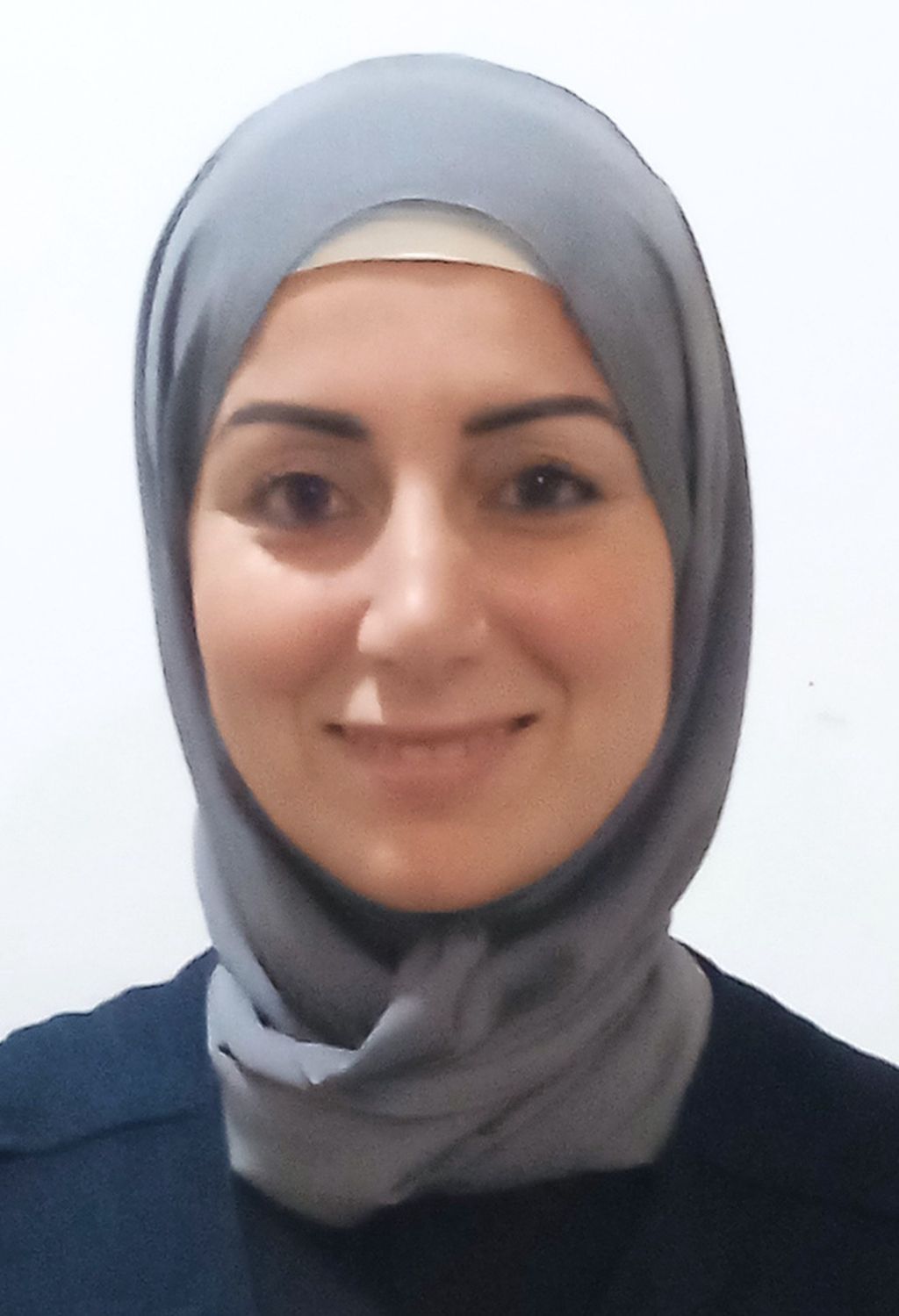
Professor at Academia “Campus Psicología” (academic preparation for psychology students enrolled at the UNED), where he teaches Educational Psychology (3rd year) and Group Psychology (3rd year), supervises final degree projects (4th year), and teaches various workshops on psychological skills: emotional intelligence, social skills, leadership and influence in groups, communication skills, conflict management, creativity, stress and decision-making, time management and planning.
Professor at the University Center for Defense (affiliated with the University of Zaragoza), Bachelor’s Degree in Industrial Organization Engineering, subject: Leadership.
Associate Professor at the University of Zaragoza (Faculty of Education) teaching the following subjects: Educational Psychology, Evolutionary Processes and Diversity, Developmental Psychology, Developmental and Educational Psychology, and Thinking Skills. Development in the teaching-learning process.
Professor in the Master’s Degree in Decision Support Techniques (University of Alcalá degree).

• Master's Degree in Intercultural Communication, Interpreting, and Translation in Public Services (2018)
• Degree in Semitic and Islamic Studies (2016)
• Higher Degree in Social Integration (2010)

Born in Syria, but due to problems in the country, her family emigrated to Spain in 2006.
She has worked as a social integrator at the Carlos Martín Foundation (People with intellectual disabilities) and has extensive experience as an intercultural mediator.
She has been a translator and interpreter at Migralingua Voze and Ofilingua. Language services.
She currently works as an intercultural mediator at the Moroccan Association for the Integration of Immigrants, where she provides career guidance, language teaching, social services, and intercultural mediation.

• Doctorate in International Joint Supervision, University of Cádiz (2021)
• Interuniversity Master's Degree in Culture of Peace, Conflict, Education, and Human Rights, University of Cádiz (2016)
Born in Tetouan (Morocco), she has worked as an intercultural mediator (University of Cádiz, 2018), social educator for unaccompanied foreign minors (MENAS Center, Rebaño de María, Cádiz, 2019), job prospector for young people leaving care (Sevilla Acoge, 2020), and researcher for European and Gulf country projects (2024-present).
University projects:
The course will be held at María Auxiliadora Salesianas School, at 1 Sta. María Mazzarello Street, Seville.
11.05.2026-15.05.2026
Educating and integrating: the role of teachers in dealing with cultural diversity in European schools
Seville
The price of the course is 400€
Seville, a destination that can be felt with all five senses
Seville is not to be visited, it is to be experienced. It is a city that envelops the traveler with a unique blend of history, art and passion. Some say that its magic lies in the golden light that tinges its streets at sunset. Others believe it is in the flamenco duende that resonates in the peñas and tablaos. Perhaps it is the murmur of the Guadalquivir or the crunch of the gravel in the Andalusian patios. Whatever it is, Seville is enchanting.
A walk through history
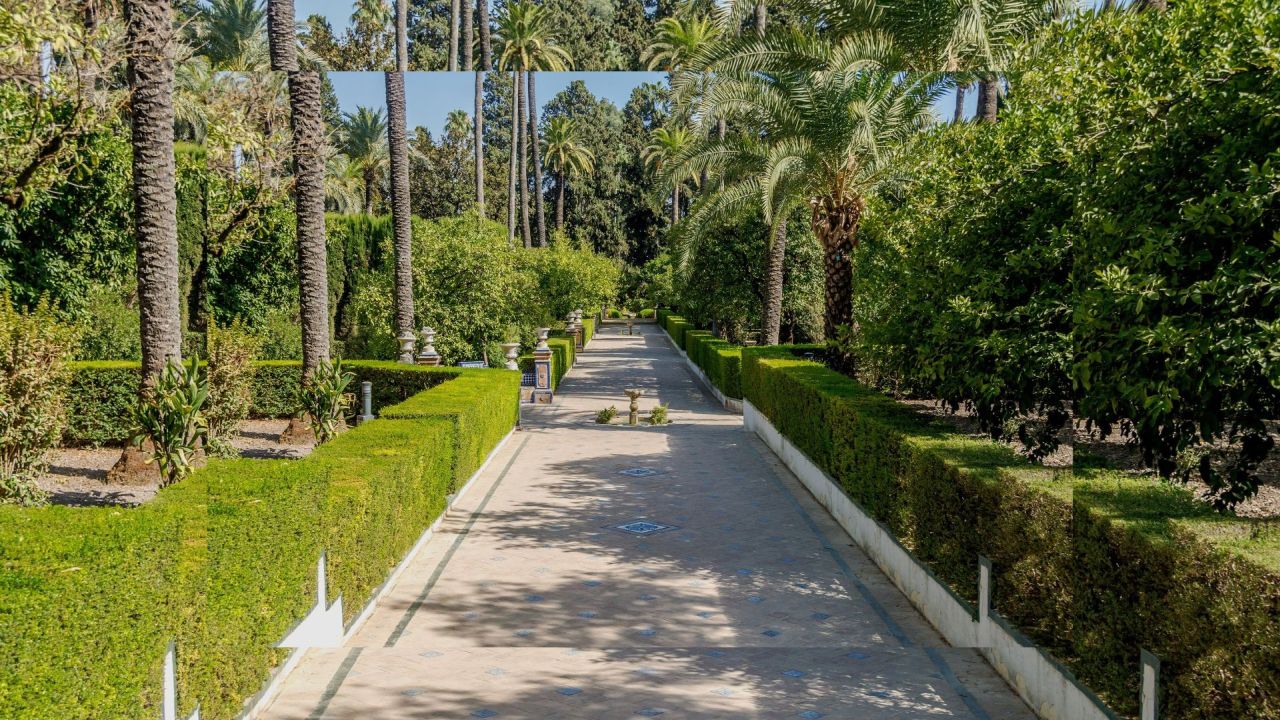
To travel through Seville is to take a trip back in time. The historic heart of the city beats between the imposing Giralda, the majestic Cathedral -the largest in the world in Gothic style– and the exquisite halls and gardens of the Real Alcazar. Every corner speaks of past civilizations, Mudejar art and legends. Climb the Giralda to see the city from above and then lose yourself in the shaded corridors of the Alcazar, especially magical in summer during its nighttime visits or open-air concerts.
Spaces that invite you to linger
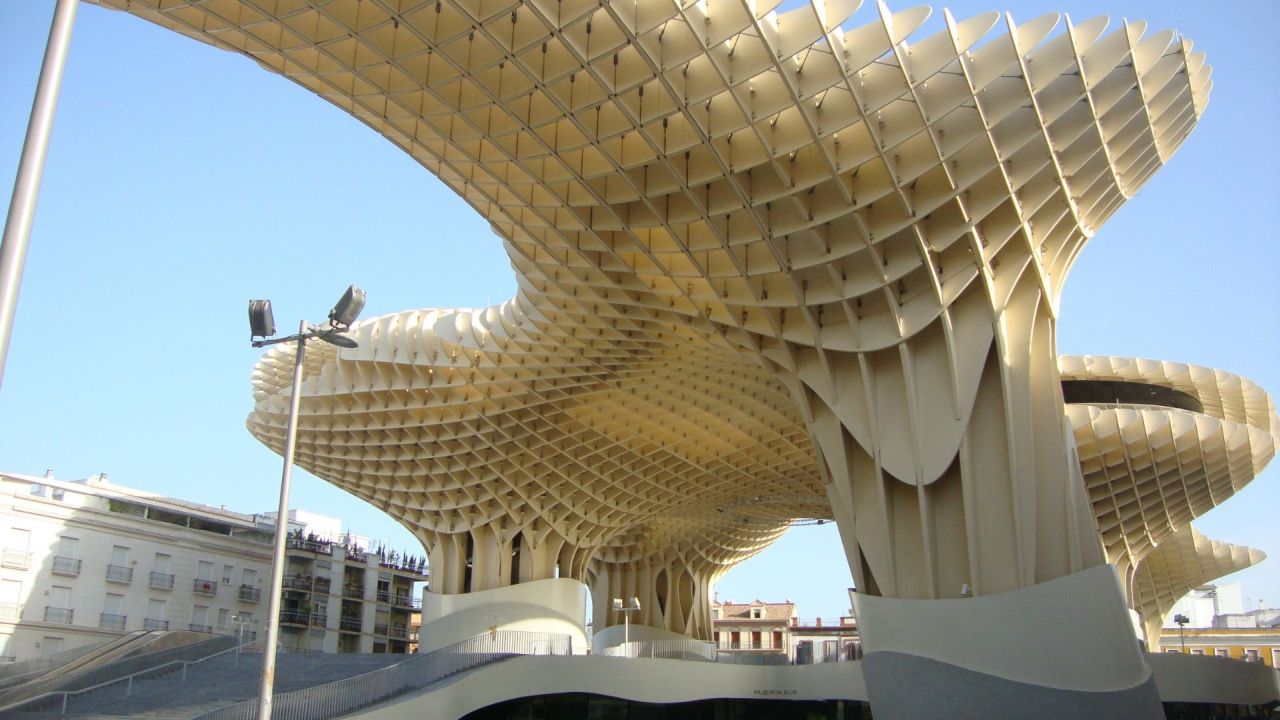
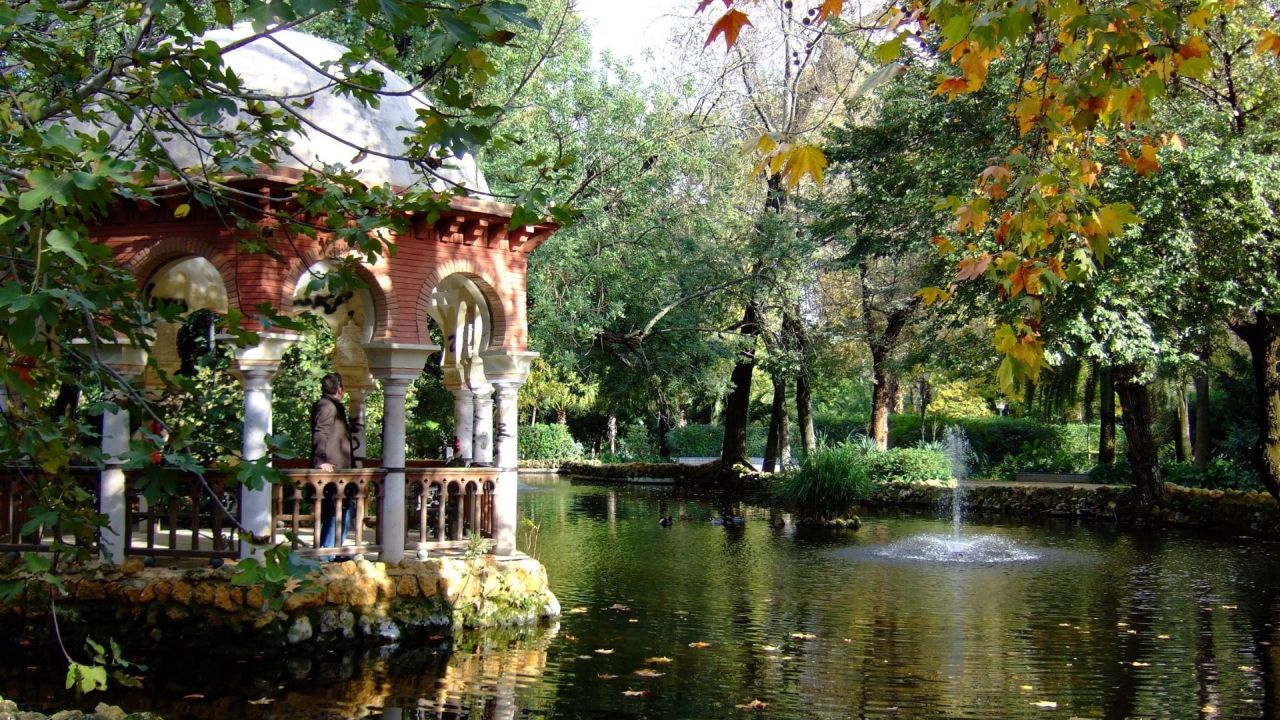
But Seville is also contemporary and alive. The Plaza de España, with its monumental architecture, invites you to sit leisurely. Maria Luisa Park is perfect for strolling among fountains, flowers and statues. And if you’re looking for something different, the Setas de Sevilla -the Metropol Parasol– offers a modern look at the city with a panoramic view over the rooftops of the historic center.
A taste of Seville
The best way to understand the Sevillian character is to go out on the street and eat tapas. In neighborhoods like Triana, with its flamenco soul; the Alameda, young and alternative; or Nervión and Los Remedios, more residential but with a lot of life, you will find bars where the cuisine is shared in small portions full of flavor. From the classic pescaíto frito to salmorejo, passing through montaditos and snails, accompanied by a fresh manzanilla or an ice-cold beer, each tapa is an excuse to socialize and celebrate.
A city to come back to
Seville is not exhausted in a single visit. Whether for its Semana Santa, the Feria de Abril or a simple stroll along the river, there is always something left to discover. And when you leave, you will leave with the certainty that you have been in a place with soul.
Doñana National Park, located in southwestern Spain between the provinces of Huelva, Seville and Cadiz, is one of Europe’s most important natural areas. Declared a World Heritage Site by UNESCO in 1994, Doñana is notable for its enormous biodiversity and its key role in the conservation of endangered species.
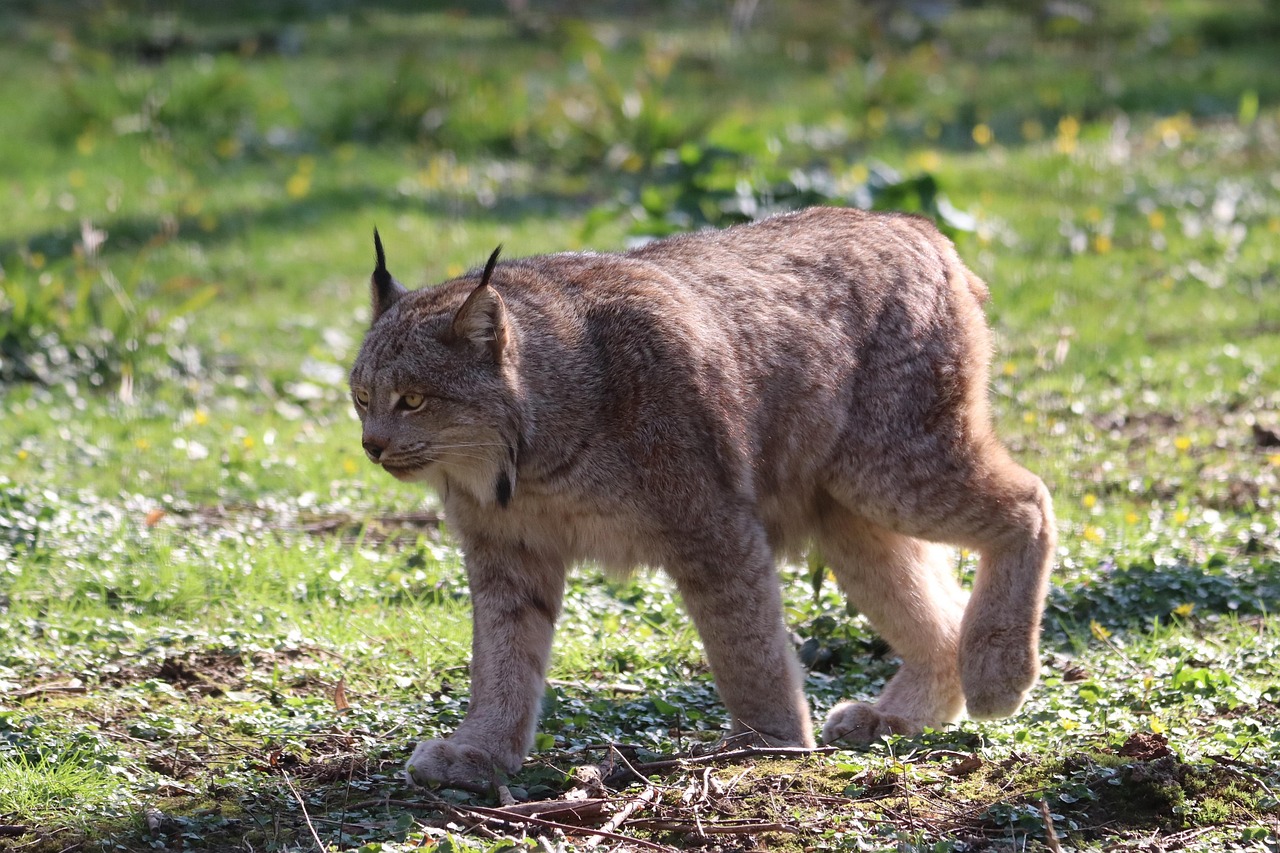
This park is home to a wide variety of ecosystems, including marshes, shifting dunes, pristine beaches, Mediterranean forests and reserves. Thanks to this diversity of habitats, Doñana is a refuge for thousands of species of flora and fauna, some of which are endemic or critically endangered. Among the park’s most emblematic animals are the Iberian lynx, the world’s most endangered feline, and the Iberian imperial eagle, both of which are protected species.
One of Doñana’s main values is its role as a stopover, breeding and wintering ground for more than 300 species of birds, many of them migratory. The park’s marshes act as a key stopover on the migratory routes between Africa and Europe, making Doñana a strategic place for global bird conservation.
In addition to its ecological richness, Doñana has great cultural and historical value, as it has been inhabited and used by humans for centuries. However, the park faces multiple threats, such as agricultural pressure, urbanisation, illegal water extraction and climate change.
The protection of Doñana is not only essential to preserve its unique biodiversity, but also to maintain the ecological balance of one of the most important wetlands on the continent. Its conservation is a shared responsibility that transcends borders.